The Definitive Sydney to Bali Travel Calendar: When to Go for Sun, Surf, and Serenity
The first breath of Bali’s air, stepping off the plane at Denpasar, is a sensory trigger. It’s a warm, humid embrace, thick with the scent of clove cigarettes and frangipani. For the Sydney-based traveller, particularly one escaping the crisp chill of a winter afternoon, this transition is profound. The decision, however, is not simply whether to go, but precisely when. The choice between Bali’s distinct dry and wet seasons is the single most important factor shaping your experience, influencing everything from the clarity of the water at Uluwatu to the price of a private villa in Canggu. This is not a question of good versus bad, but of aligning the island’s rhythm with your own intentions.
Sydney to Bali travel calendar is a strategic exercise. Do you seek the sun-drenched, festival-filled days of the dry season, alongside peak-season crowds from around the globe? Or does the allure of the ‘green season’—with its dramatic afternoon downpours, verdant landscapes, and more contemplative pace—hold greater appeal? The answer dictates the character of your holiday. Here, we provide a detailed analysis to inform that decision, moving beyond simplistic weather reports to deliver actionable intelligence for the discerning Australian traveller. See also: explore Home.
The Sydney to Bali Direct Flight Corridor: Your 6-Hour Passage to the Island
The journey from Sydney to Bali is one of the most efficient international escapes available to Australians. The direct flight path between Sydney Kingsford Smith Airport (SYD) and Denpasar’s Ngurah Rai International Airport (DPS) is a well-serviced corridor, with a flight time of approximately 6 hours and 30 minutes. This accessibility makes Bali a feasible option for both extended stays and week-long respites. Several major carriers operate this Sydney Bali direct route, each offering a different proposition in terms of service and cost. See also: Sydney to Bali Travel Guide.
- Qantas: Australia’s flag carrier provides a full-service experience, typically with daily flights. Expect inclusive baggage, meals, and in-flight entertainment, positioning it at a higher price point.
- Virgin Australia: Offering a competitive full-service product, Virgin Australia is another primary choice for travellers seeking comfort and convenience on their Sydney to Bali travel itinerary.
- Jetstar: As a low-cost carrier, Jetstar often presents the most economical fares. This model is a la carte; seat selection, baggage, and meals are ancillary costs, allowing for a customized budget.
- Garuda Indonesia: The national airline of Indonesia provides a high level of service, often praised for its hospitality, and can be a valuable option for direct connections from Sydney.
Flight prices fluctuate dramatically based on seasonality. During the Australian winter school holidays (late June to mid-July) and the Christmas period, a return economy fare on a Sydney Bali flight can exceed AUD 1,200. Conversely, travelling in the shoulder months, such as May or October, can yield fares closer to AUD 500-700. Booking 3-4 months in advance is the standard recommendation for securing reasonable pricing. Upon arrival at Ngurah Rai (DPS), the airport is located conveniently in southern Bali, approximately 30 minutes from Seminyak and 45 minutes from Canggu, depending on traffic conditions. See also: Currency Aud Idr.
Decoding Bali’s Climate: A Tale of Two Seasons
Bali’s location, just 8 degrees south of the equator, means it forgoes the four distinct seasons familiar to Sydneysiders. Instead, its tropical climate is governed by the monsoon, creating two dominant periods: the dry season and the wet season. The temperature remains consistently warm year-round, with average daily highs hovering between 28°C and 32°C. The critical variables are humidity and precipitation. See also: explore Contact.
The dry season, running roughly from April to October, is characterized by lower humidity, abundant sunshine, and strong offshore winds on the west coast—ideal conditions for surfing. The wet season, from November to March, brings higher humidity and daily rainfall. However, this rain is often not a constant drizzle but rather intense, short-lived downpours, typically in the afternoon. These bursts of rain refresh the air and contribute to the island’s famously lush, emerald-green interior, particularly around cultural centers like Ubud. Understanding the nuances of these two periods is the foundation of planning any successful trip from Sydney to Bali.
The Case for the Dry Season (April to October): Peak Conditions and High Demand
For many, the dry season represents Bali at its most idyllic. From April through October, the island experiences minimal rainfall and lower humidity, creating perfect conditions for outdoor activities. The skies are generally clear, and the sunrises over Mount Batur are particularly spectacular. This is the prime time for beach-centric holidays in areas like Seminyak, Nusa Dua, and the Bukit Peninsula. The surf breaks along the west coast, from Kuta to Uluwatu, are at their best due to the southeasterly trade winds.
“The period from June to August is the absolute peak for tourism in Bali,” notes Isabelle Dubois, a travel analyst at Asia-Pacific Itineraries. “This coincides with the European summer holidays and Australian winter school breaks. Consequently, accommodation and flight prices can increase by 30-50% compared to the shoulder season. A villa in Seminyak that costs USD 200 per night in May might command USD 350 or more in August.” This period also hosts significant cultural events, most notably the Bali Arts Festival, a month-long celebration of local dance, music, and craft held in Denpasar from mid-June to mid-July. While the weather is optimal, the trade-off is the crowds. Restaurants in popular areas require reservations, and the main roads in Canggu and Seminyak can become heavily congested.
The Allure of the Wet Season (November to March): The ‘Green Season’ Advantage
Often mischaracterized as a washout, the wet season—or ‘green season’—offers a different, yet equally compelling, vision of Bali. The landscape is at its most vibrant, with rice paddies in areas like Tegalalang displaying an intense, almost fluorescent green. The afternoon showers, while powerful, are usually predictable and brief, leaving the evenings cool and clear. This season appeals to travellers seeking a more tranquil experience, with fewer crowds at major sites like the temples of Tanah Lot or Uluwatu.
The primary advantage is value. Outside of the Christmas and New Year’s peak (roughly December 20 to January 5), accommodation rates are significantly lower. This is an excellent time for wellness-focused trips centered around Ubud, where the rain enhances the atmosphere of jungle retreats and yoga shalas. It’s also ideal for activities not dependent on constant sunshine, such as cooking classes, spa treatments, or exploring the island’s burgeoning fine-dining scene. The west coast’s surf becomes less consistent, but the east coast breaks, such as Keramas, come into their own with offshore winds. A key cultural event to be aware of is Nyepi, the Balinese Day of Silence, which falls in March (e.g., March 11, 2024). On this day, the entire island, including the airport, shuts down for 24 hours of quiet reflection—a unique cultural immersion for those present.
A Month-by-Month Analysis for the Australian Traveller
Choosing the right month for your Sydney to Bali travel depends heavily on your priorities. For an Australian family tied to school holidays, the decision is different from that of a couple with flexible dates. The following table breaks down the year, providing a strategic overview to help you align your trip with your personal travel style.
| Month | Season | Weather Snapshot | Price Level | Best For |
|---|---|---|---|---|
| January-February | Wet | High humidity, daily afternoon rain. Peak of the wet season. | Low (Post-New Year) | Wellness retreats in Ubud, value-driven travel, east coast surfing. |
| March | Wet | Rain begins to subside. Nyepi (Day of Silence) occurs. | Low | Cultural immersion, experiencing Nyepi, lush landscapes. |
| April-May | Shoulder | Humidity drops, sunny days increase. Excellent conditions. | Medium | Ideal balance of good weather and manageable crowds. Great for all activities. |
| June-August | Dry (Peak) | Sunny, dry, lower humidity. Prime weather. | High | Beach holidays, surfing, diving, family travel during AU school holidays. |
| September | Dry | Excellent weather continues, but crowds begin to thin. | Medium-High | A sweet spot for great weather with slightly fewer people than July/August. |
| October | Shoulder | Humidity starts to build, occasional showers. Still very pleasant. | Medium | Diving and snorkeling (water clarity is high), exploring with fewer crowds. |
| November-December | Wet | Rain becomes more frequent. Greenery returns. | Low-High (spikes for Xmas/NYE) | Pre-Christmas deals in November. Festive season celebrations in late December. |
Essential Pre-Departure Intel: Visa, Currency, and Cultural Etiquette
A smooth trip from Sydney to Bali requires attending to a few key practicalities before departure. While the island is welcoming, understanding the local regulations and customs is a sign of a respectful and savvy traveller.
Visa on Arrival (VoA) for Australians
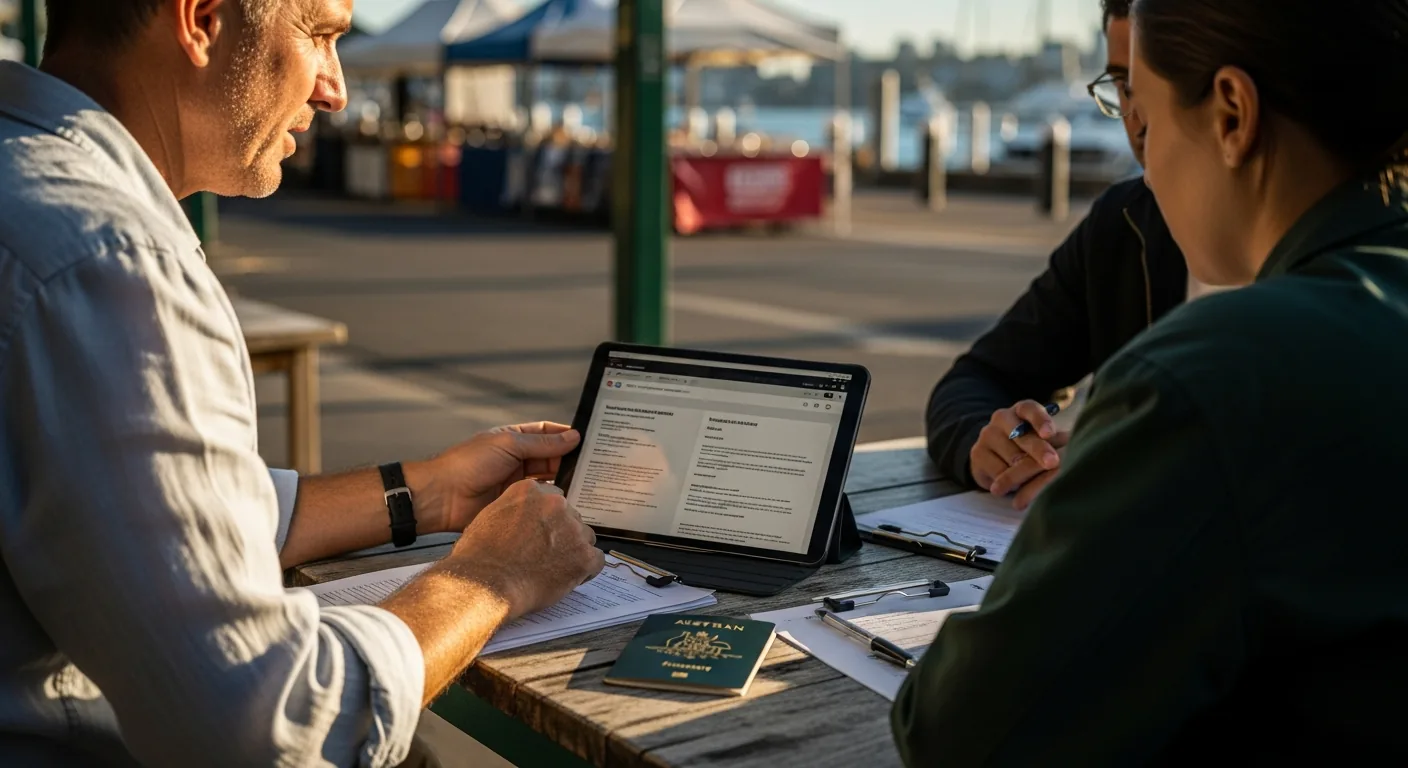
Australian passport holders are eligible for a Visa on Arrival (VoA). This is a straightforward process at a dedicated counter in the arrivals hall at Ngurah Rai International Airport (DPS).
- Cost: IDR 500,000 per person (approximately AUD 50 or USD 35, subject to exchange rates). Payment can be made in major currencies or by credit card.
- Validity: The VoA is valid for 30 days.
- Extension: It can be extended one time for an additional 30 days at an immigration office within Bali.
- Passport Requirement: Your passport must have at least 6 months of validity remaining from your date of entry into Indonesia.
Alternatively, travellers can apply for an e-VoA online before departure to expedite the process upon arrival.
Currency: The Indonesian Rupiah (IDR)
The official currency is the Indonesian Rupiah (IDR). While high-end hotels and restaurants may accept credit cards, Bali operates largely on a cash basis, especially for local warungs, markets, and drivers. It is advisable to carry a mix of cash and cards. The exchange rate fluctuates, but a general guide is 1 AUD ≈ 10,000 IDR. It is best to exchange a small amount of money before you leave or at the airport upon arrival for immediate needs, and then use reputable money changers (those with proper offices, not small street stalls) for better rates. ATMs are widely available but be mindful of skimming risks; use machines located inside banks or convenience stores where possible.
Cultural Intelligence
Balinese culture is deeply rooted in Hinduism and a strong sense of community. Showing respect is paramount.
- Temple Etiquette: When visiting temples such as Pura Lempuyang or Tanah Lot, both men and women must cover their shoulders and knees. A sarong and sash are required and are usually available for rent at the entrance for a small fee.
- Offerings: You will see small, woven palm-leaf baskets (canang sari) on the ground everywhere. These are daily offerings; be careful not to step on them.
- The Left Hand: The left hand is considered impure. Always use your right hand when giving or receiving something, including money.
By understanding these simple yet important customs, your interactions will be more meaningful, enriching your overall Bali from Sydney experience.
Your Action Plan for a Perfectly Timed Bali Holiday
With this information, you can now make a strategic choice. For the quintessential sun-and-surf holiday, target the shoulder months of May, June, or September to balance fine weather with more manageable crowds. For a restorative, culture-focused escape amidst lush scenery and at a lower cost, consider February or March. No matter when you choose to book your Sydney to Bali flight, a well-planned trip that respects the island’s rhythm will always yield a more profound experience.